HVAC, Plumber, & Electrician in Kansas City, MO & KS
Save up to $700 on a New Generator

Savings vary depending on type of generator selected. Valid only for residential customers. Not valid with any other offers, discounts, or on prior sales. Void if copied or transferred and where prohibited. Any other use may constitute fraud. Cash value $.001. Offer expires 04/30/2024.
Save Up to $4,500 on a New HVAC System with our Buy Back Program and available Tax Credits!
Purchase and installation of qualifying HVAC system required. Removal and disposal by Company of pre-existing HVAC system required to receive $1,300 Buy Back credit. Up to $3,200 in Federal tax credits on select systems. Homeowner is responsible to consult with a tax advisor on eligibility. Valid only for residential customers. Not valid with any other offers, discounts, or on prior sales. Void if copied or transferred and where prohibited. Any other use may constitute fraud. Cash value $.001. Offer expires 04/30/2024.
Hamilton Services
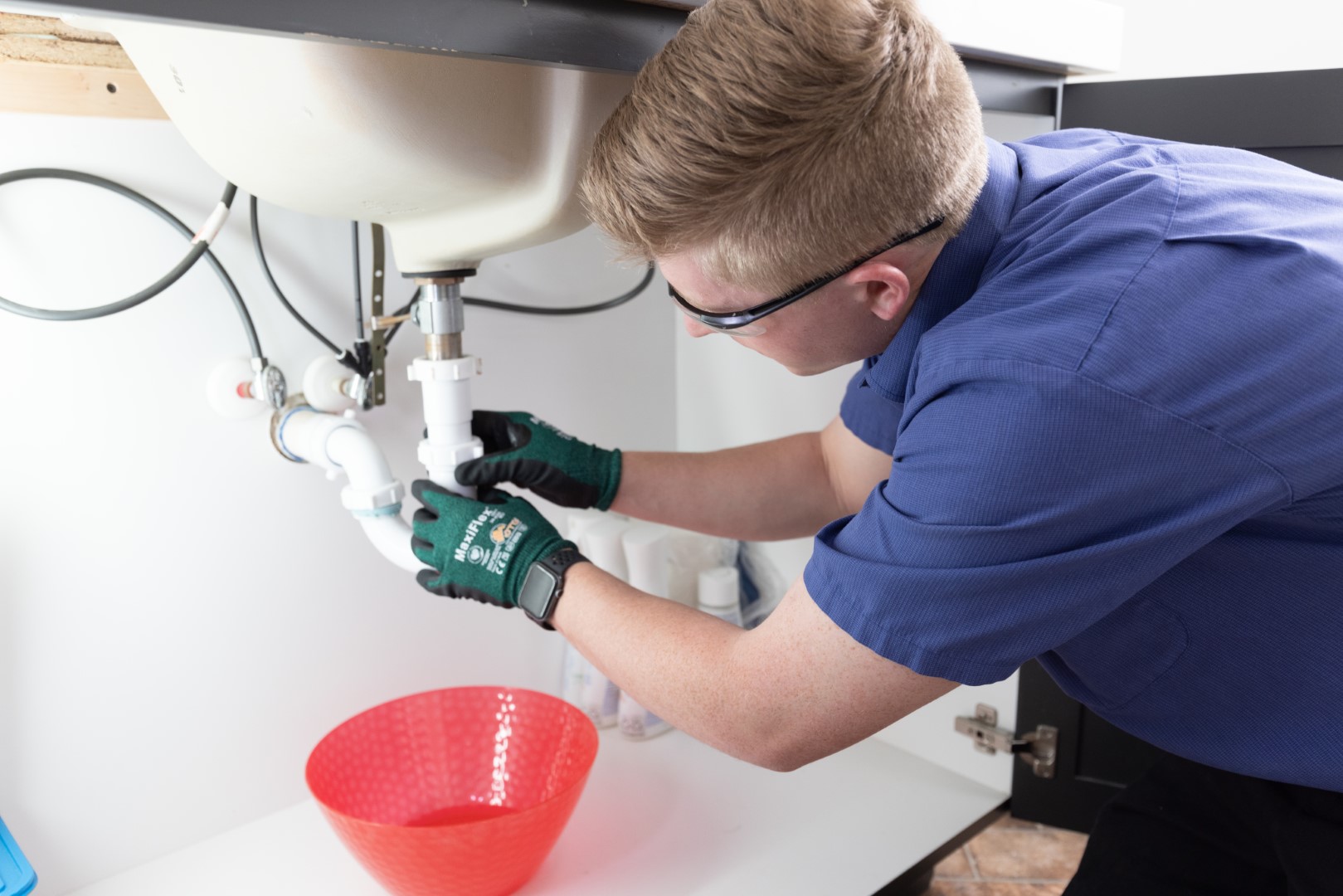
PLUMBING
Hamilton has you covered for all your plumbing needs, from repairs and installations to remodels and upgrades
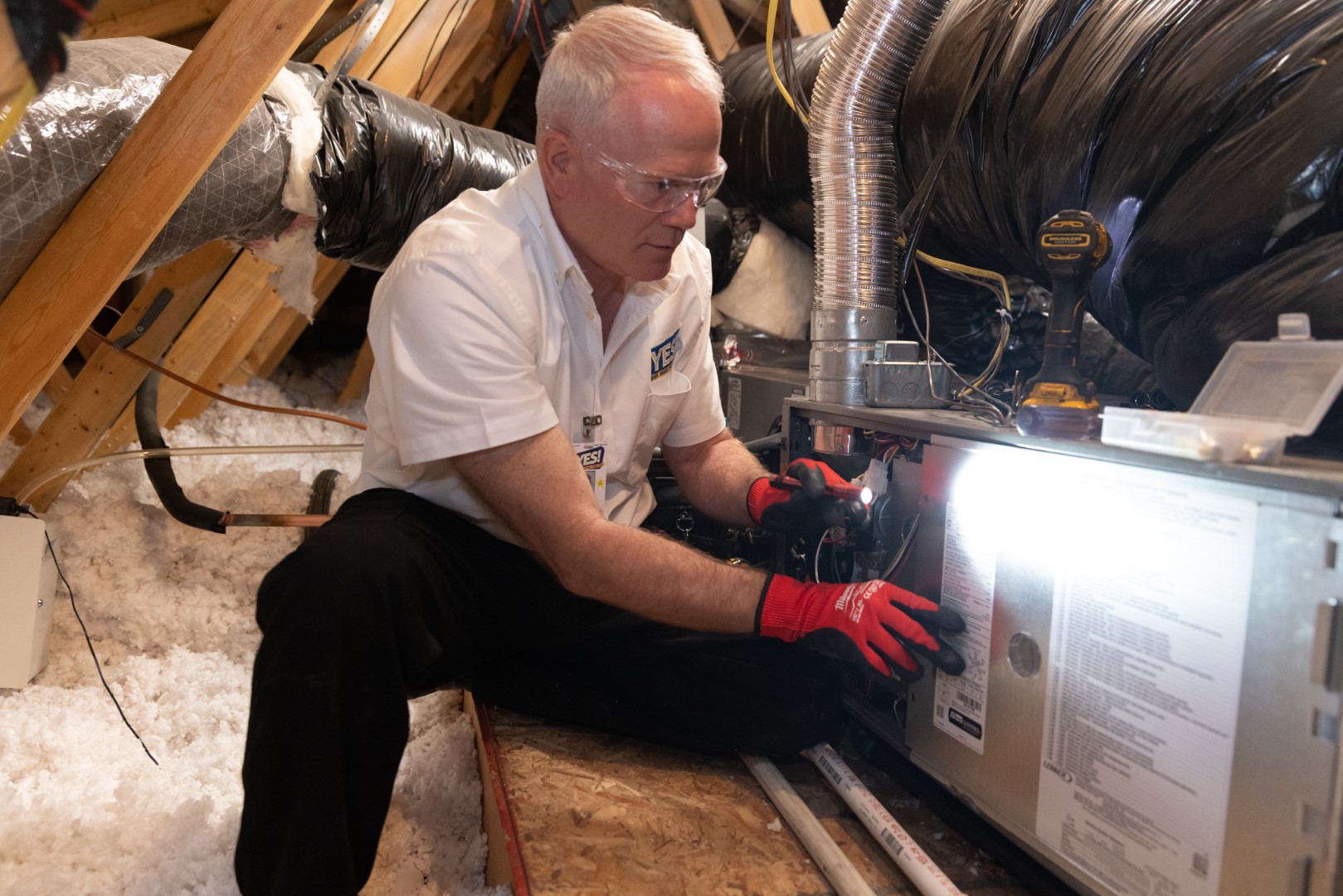
HEATING
Our trained technicians can fix your heating system and provide cost-effective solutions.
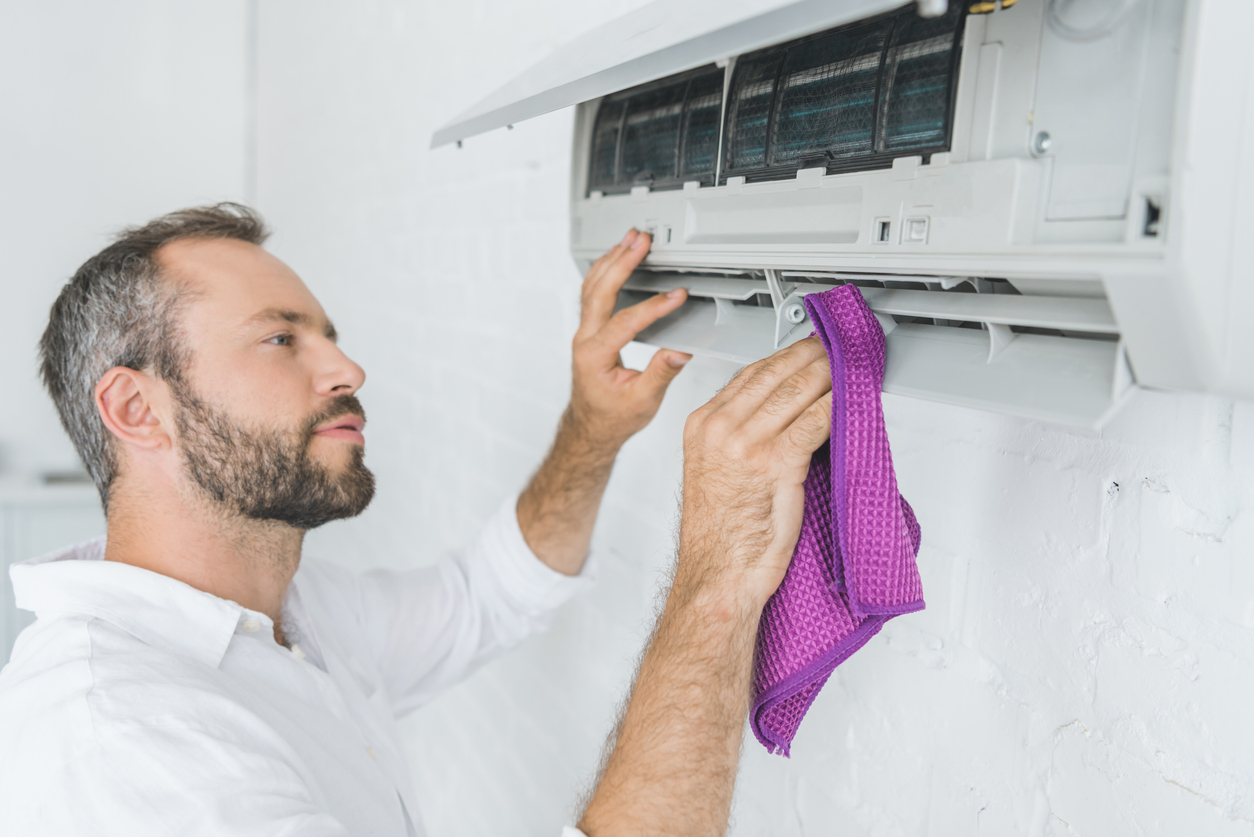
AIR CONDITIONING
Let Hamilton's technicians handle your AC repair and cooling installation for optimal comfort!

ELECTRICAL
Hamilton are your go-to for electrical repairs, remodels, upgrades, and general maintenance.
EXPERT KANSAS CITY HVAC, PLUMBER, & ELECTRICIAN SERVICES
As of September 1, 2023, Roger the Plumber has combined forces with Hamilton Plumbing, Heating, A/C & Rooter. We have over 40 years of experience, and over 90 experienced technicians, plumbers, and electricians to handle whatever life throws at you!
As the leading company providing HVAC to Kansas City, Missouri & Kansas residents, we know how important it is to keep your home’s heating and cooling systems running as smoothly as possible. Even minor issues can significantly impact the comfort and convenience you and your family experience.
This is why we’re here to provide local HVAC services you can depend on to ensure everything works as well as it should. When you choose us to be your heating and cooling company, you can rest assured that you will have all the expertise and know-how necessary to stay comfortable all year long.
Schedule Your Service!
WHY CHOOSE HAMILTON
We’re your complete resource for everything related to your heating and cooling, from basic repairs to full system replacements and more. When you need a new furnace, air conditioner or water heater, get in touch with us today to find the perfect system for your home and budget. We also provide a number of solutions for your indoor air quality to keep your house clean and healthy.
Everyone at Hamilton Plumbing, Heating, A/C & Rooter, from our master plumbers in Kansas City, experienced HVAC repair technicians, and our expert electricians takes great pride in delivering the highest level of customer service and satisfaction on every plumbing, drain clearing, furnace, and air conditioning service we provide. To be acknowledged as one of the best companies and an industry leader by our peers is a very special honor and all of us at Hamilton are proud of the awards and recognition we have received over the years.
This is the way we do business in Overland Park and all around the Kansas City metro, backed by our Exceptional Service Guarantee. It’s bad news for our competition, because service this good is hard to deliver.
Read About Our Story
EXCEPTIONAL SERVICE GUARANTEE
But don’t just take our word for it. We have over 8,000 five-star reviews from satisfied customers just like you. Plus, if for any reason, within one year of the date of the original invoice, you are dissatisfied with our work in your home, we’ll make every effort to meet your expectations, or remove your equipment (if applicable) and cheerfully refund 100% of your money*. Guaranteed.
*Sewer Repairs / Replacements and Drain Cabling are subject to their applicable warranty provided upon completion of the work. Learn More
ECO-FRIENDLY PLUMBING SERVICES
There are so many benefits to having eco-friendly plumbing solutions implemented throughout your home. These sorts of components can save you money on your utility bills, give you better performance and prevent the wasting of water and energy. Learn more about our plumbing services today!
AIR CONDITIONING REPAIR & MAINTENANCE
We strongly believe in protecting the environment and utilizing greener solutions for air conditioning. Not only will a more energy-efficient A/C system save you money over the long run, but the eco-friendly approach is better for your health and the health of the world around you. Learn more about our repair and maintenance services today!
WHOLE HOME WATER FILTRATION
There are different water filtration techniques such as microfiltration, ultrafiltration and nanofiltration. Depending on the water and the home, we utilize a variety of water filtration systems to achieve the best possible results. Learn more about Kansas City home water filtration today!
SCHEDULE YOUR NEXT SERVICE TODAY!
Call 913-227-4943
What People Are Saying About Hamilton!
Extremely Knowledgeable
★ ★ ★ ★ ★
- Katelyn Bidondo
Thank You!
★ ★ ★ ★ ★
- Dennis Roos
They're The Best!
★ ★ ★ ★ ★
- Dee J
Frequently Asked Questions
What services does Hamilton Plumbing Heating A/C Rooter provide in Kansas City?
Hamilton offers comprehensive HVAC services in Kansas City, MO & KS. This includes basic repairs, full system replacements, indoor air quality solutions, and more. We also offer eco-friendly plumbing services, air conditioning repair & maintenance, and a range of water filtration systems tailored to your home's needs.
What is Hamilton's "Exceptional Service Guarantee"?
Our Exceptional Service Guarantee ensures that if, for any reason, you are not satisfied with our work within one year from the original invoice date, we will strive to meet your expectations. If still unsatisfied, we can remove the installed equipment and refund 100% of your money. Note that sewer repairs/replacements and drain cabling have their specific warranties provided upon completion.
How does Hamilton support eco-friendly practices in their services?
Hamilton believes in implementing eco-friendly solutions throughout the services we offer. For plumbing, we provide components that help save on utility bills and prevent water and energy wastage. In terms of air conditioning, we advocate for energy-efficient systems that are not only cost-effective but also beneficial for the environment and health. We also provide whole-home water filtration using techniques like microfiltration, ultrafiltration, and nanofiltration to achieve the best outcomes.
ACCREDITED & TRUSTWORTHY